
When it comes to losing weight, the messaging is often centered around one thing: cutting back- eat fewer calories, cut carbs, skip dessert, shrink your portions. But what if your weight-loss strategy needs a little less taking away and a little more adding in?
No, we’re not saying you can eat unlimited amounts of anything and expect the scale to budge. A calorie deficit still plays a role in weight loss. But how you create that deficit and how well you nourish your body along the way matters. Hormones, muscle mass, sleep, digestion, and even your gut microbiome can all influence how your body responds to your weight-loss efforts.
So instead of asking, “What can I eat less of?” try asking: “What can I eat more of to better support my body?” Here’s where to start.
Eat More Protein—and Lift More Weight
If you want to change your body composition, don’t just focus on making the number on the scale smaller. Think about maintaining or even building lean muscle while losing body fat. One of the most effective ways to support this goal is through strength training.
Resistance training helps stimulate muscle growth and preserve lean mass as you lose fat. This is particularly important when you’re in a calorie deficit. Muscle is also metabolically active tissue, meaning maintaining more lean mass can help support your resting metabolic rate. Strength training is recommended two to three times a week as part of a healthy, metabolism- and muscle-supportive routine. However, lifting weights works best when you give your muscles the building blocks they need to recover. That means eating enough protein, too.
Protein is especially essential for weight management because it supports muscle maintenance and can increase feelings of fullness. Make a goal to include protein-rich foods throughout the day, as spreading your intake across meals and snacks can help with muscle recovery and keep you feeling satisfied between meals. Per the RDA (Recommended Dietary Allowance), adults should aim for about 0.8-1 gram of protein per kilogram of body weight daily; however, this can vary depending on your activity levels and other dietary needs.
In other words: lift more, eat more protein, and let the goal be a stronger body, not a smaller one.
Eat More Fiber for Your Gut (and Your Hunger Hormones)
Fiber may be the most underrated addition to a weight-loss-friendly plate. It helps keep you feeling satisfied, supports regular digestion, and feeds beneficial bacteria in your gut. And your gut and hormones are more closely linked than you might think. When gut bacteria ferment certain types of fiber, they produce short-chain fatty acids that can influence appetite and satiety levels. A healthy gut microbiome is also linked to metabolic health and healthy blood sugar regulation.
Fiber can also support hormones involved in hunger and fullness, including GLP-1. Meanwhile, hormones like ghrelin help signal hunger, while leptin contributes to feelings of satiety. Sleep deprivation, stress, and restrictive dieting can easily throw these hunger signals off, making it even harder to feel satisfied.
So rather than simply eating less, try making more room for plants. A variety of fiber-rich plant foods provides your gut microbiome with the nutrients it needs to thrive, while also helping promote digestion, satiety, and healthy blood sugar levels. In fact, eating a diverse range of plant foods can help promote a more diverse gut microbiome—another reason to think beyond calories and focus on the overall quality of your diet.
Eat More Regularly and Prioritize Balance
A balanced diet isn’t about perfectly portioning every macronutrient or labeling foods “good” and “bad.” It’s about consistently providing your body with a variety of nutrients.
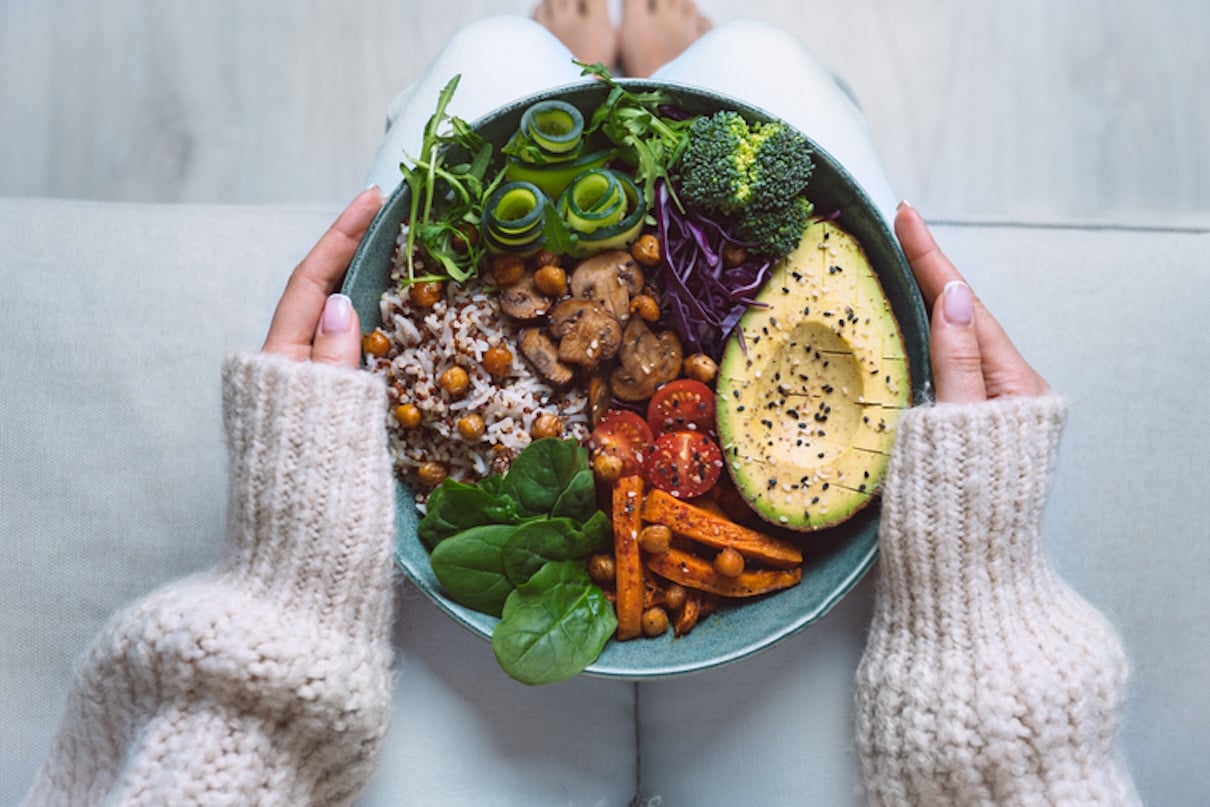
A balanced meal doesn’t have to be complicated. Aim for a mix of protein, fiber-rich carbs, healthy fats, and plenty of colorful produce to help keep you feeling satisfied and energized throughout the day. And yes, fat belongs on your plate, too. Foods like avocado, nuts, seeds, olive oil, and fatty fish provide important nutrients and support hormone production and overall health. Instead of constantly thinking about what you need to cut out, try focusing on what you can add to make your meals more nourishing and satisfying.
Get Good Quality Sleep on the Regular
You can have the perfect workout routine and a fridge full of nutritious foods, but if your body is consistently running on empty, your weight-loss efforts may feel impossible.
Sleep plays a major role in appetite, metabolism, stress, and hormonal regulation. Too little sleep can affect hunger hormones, potentially increasing appetite and cravings. It may also contribute to changes in insulin regulation and inflammation. And when you’re sleep-deprived, your body may have a harder time recovering from workouts and regulating energy throughout the day, which can make healthy habits feel much harder to maintain. Prioritizing consistent, quality sleep isn’t just about feeling more rested—it’s another way to support the metabolic and hormonal processes that affect weight management.
Make a goal to get around seven to nine hours of quality sleep per night. Also, create a consistent bedtime routine, keep your bedroom cool and dark, and treat sleep as part of your wellness routine, not the thing you sacrifice when life gets busy. Because sometimes the most productive thing you can do for your health is absolutely nothing.
Weight loss doesn’t have to mean constantly trying to outsmart your appetite or survive on smaller and smaller portions. If your goal is sustainable weight management, shift your focus from what you need to eliminate to what you can add.
- More protein to support muscle.
- More fiber to nourish your gut.
- More whole foods to support balanced nutrition.
- More strength training to build a stronger body.
- More sleep to support your hormones, metabolism, and appetite.
Your body isn’t a problem to solve. It’s a system to support. And sometimes, the path to feeling better in your body starts with eating more of what helps it thrive.